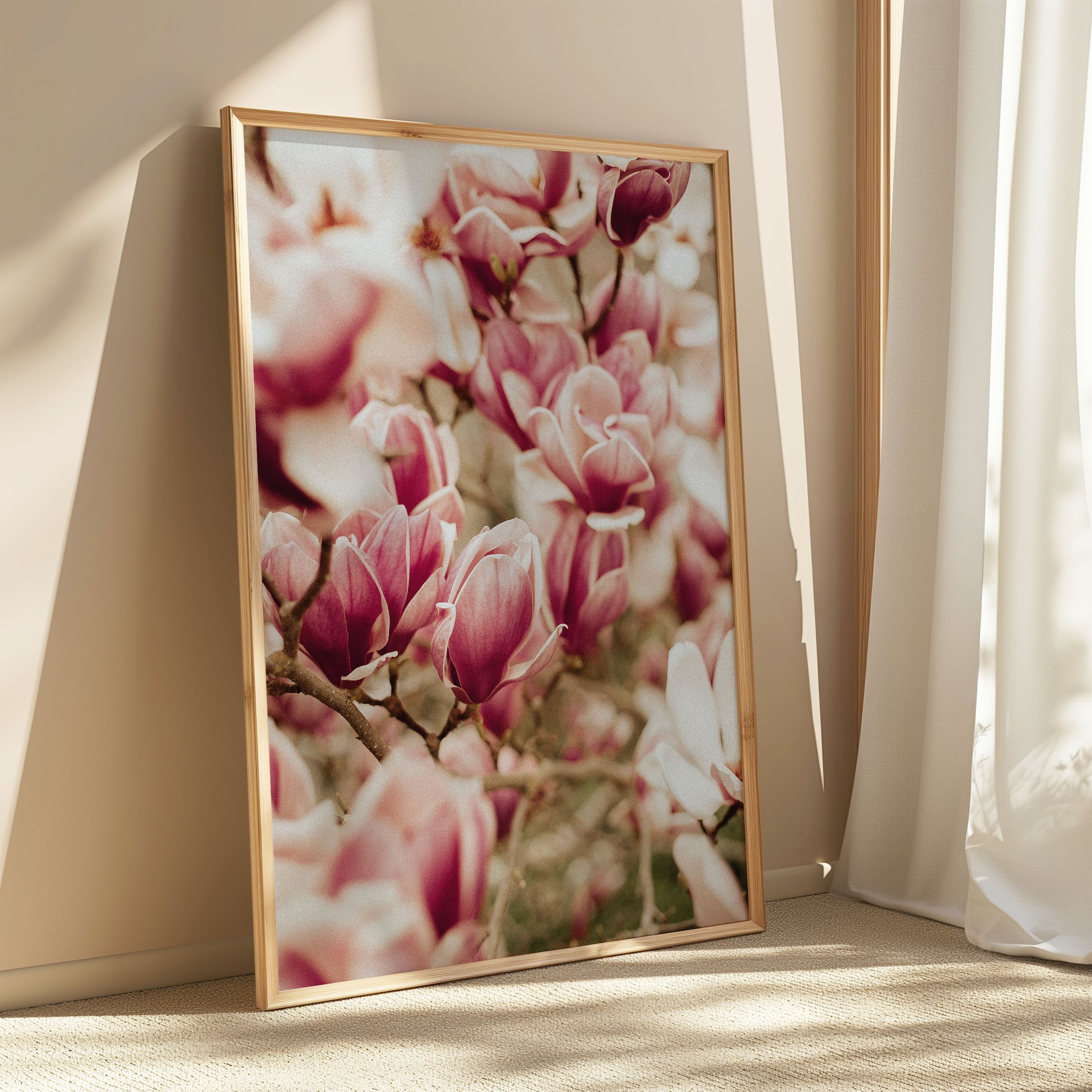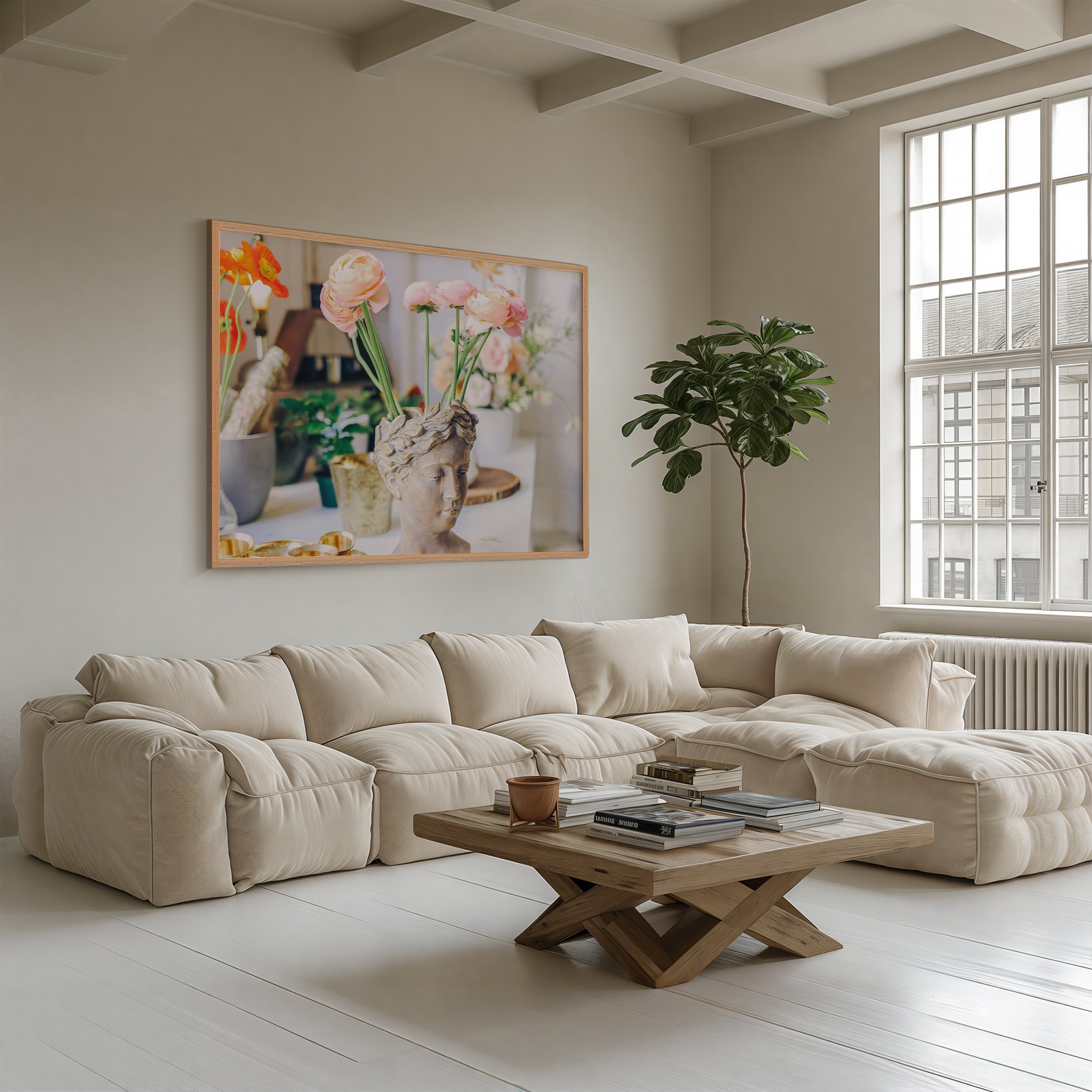
Your fine art print is created with museum-quality archival materials designed to last for generations. With proper care and display, your print will maintain its beauty and vibrancy for years to come.
Follow these guidelines to preserve your investment.
What makes our prints
Archival Quality?
Museum Quality Paper: Acid-free, lignin-free fine art paper that won’t yellow or deteriorate over time
Archival Inks: Fade-resistant pigment-based inks rated to last 100+ years under proper display conditions
Professional Printing: Each print is carefully inspected to ensure exceptional quality and color accuracy
Display Quality
Light Exposure
While our archival inks are highly fade-resistant, all photographs are sensitive to prolonged exposure to bright light, especially direct sunlight.
Avoid direct sunlight: Never hang prints where they will receive direct sunlight for extended periods
Use UV-protective glass: If framing, choose UV-protective glass or acrylic to filter harmful rays
Indirect lighting is best: Display prints in areas with soft, indirect natural light or controlled artificial lighting
Gallery lighting: If using spotlights, use LED bulbs which emit minimal UV light and heat
💡 Pro Tip
The "north-facing wall" rule: In the Northern Hemisphere, walls that face north receive the softest, most consistent indirect light throughout the day—making them ideal for displaying fine art prints.
Temperature & Humidity
Fine art paper can be affected by extreme temperature fluctuations and moisture.
Maintain consistent conditions: Display prints in climate-controlled environments (ideally 65-75°F with 40-50% humidity)
Avoid humid spaces: Bathrooms, kitchens, and basements may expose prints to excessive moisture
Keep away from heat sources: Don't hang prints near radiators, fireplaces, heating vents, or in direct heat
Prevent condensation: Avoid hanging unframed prints on cold exterior walls where condensation can form
Location Considerations
Living rooms and bedrooms: Ideal locations with controlled environments
Hallways and entryways: Good options if away from direct sunlight
Home offices: Perfect for enjoying your art daily in a stable environment
Bathrooms: Too much humidity and temperature fluctuation
Kitchens: Exposure to cooking oils, moisture, and heat
Garages or unfinished basements: Lack of climate control and potential moisture issues
Framing Your Print
Professional framing not only enhances the beauty of your print but also provides essential protection. If you're framing an unframed print, here are some recommendations:
Frame & Mat Selection
Use acid-free materials: Choose acid-free mats and backing boards to prevent chemical damage over time
Leave breathing room: A mat provides space between the print and glass, preventing moisture buildup
Choose UV-protective glazing: Museum glass or UV-protective acrylic blocks up to 99% of harmful UV rays
Consider your aesthetic: Simple, clean frames work beautifully with fine art photography and won't compete with the image
Professional Framing
We highly recommend working with a professional framer who understands archival framing techniques. They can ensure your print is mounted and sealed properly to prevent warping, moisture damage, and other issues.
Already Framed Canvas Prints: If you purchased a framed canvas print, it arrives ready to hang! Canvas prints are stretched over wooden frames and don't require additional framing or glass. Simply hang and enjoy.
Handling & Cleaning
Handling Unframed Prints
Handle with clean, dry hands: Or use cotton gloves to avoid transferring oils from your skin
Hold by the edges: Never touch the printed surface
Store flat: If not displaying immediately, store prints flat in a cool, dry place away from sunlight
Use protective sleeves: Keep prints in archival sleeves or glassine paper for added protection
Cleaning Framed Prints
Dust the glass gently: Use a soft, lint-free microfiber cloth
Use glass cleaner sparingly: Spray cleaner on the cloth, never directly on the frame or glass (to avoid seepage)
Never clean the print surface: Only clean the protective glass or acrylic, never the print itself
Cleaning Canvas Prints
Dust lightly: Use a clean, soft, dry cloth or a soft brush to gently remove dust
Never use water or chemicals: Canvas prints should not be cleaned with liquid cleaners
Avoid touching the surface: Oils from skin can damage the canvas over time
Long Term Care
Regular Maintenance
Check periodically: Inspect your print every few months for signs of fading, moisture, or damage
Rotate display locations: If displaying multiple prints, consider rotating them to give each piece a rest from light exposure
Monitor humidity: Use a hygrometer to ensure humidity levels stay within the ideal range
If Moving or Storing
Wrap carefully: Use acid-free tissue paper and cardboard to protect prints during transport
Store flat: Never roll fine art prints—store them flat in a climate-controlled space
Avoid plastic: Don't store prints in plastic bags or non-archival materials that can trap moisture
What to Avoid
Direct sunlight or prolonged exposure to bright light
High humidity environments like bathrooms or kitchens
Extreme temperature changes or proximity to heat sources
Touching the print surface with bare hands
Non-archival framing materials like acidic mats or backing
Hanging unframed prints with tape, pins, or adhesives
Spraying cleaning products directly onto frames or glass
Rolling or folding prints for storage
Questions About Print Care?
If you have specific questions about caring for your print or need recommendations for framing, feel free to reach out. I'm always happy to help!